AI and Data
A starting point for thinking about where generative AI can help data professionals, and where messy data still needs human judgement.
Category
Architecture questions raised by AI systems, infrastructure, security, trust, business rules, and enterprise data boundaries.
AI architecture is where questions about systems, data, trust, security, and business process start to overlap.
These posts look past the model layer and ask what has to change around it: infrastructure, APIs, data boundaries, governance, and the practical limits of automation.
A starting point for thinking about where generative AI can help data professionals, and where messy data still needs human judgement.

Why AI security tools may reveal weak engineering practices faster than they improve them, and what that means for architecture and risk.

How AI exposes the boundaries between infrastructure, data, security, and governance rather than simply creating a new infrastructure problem.
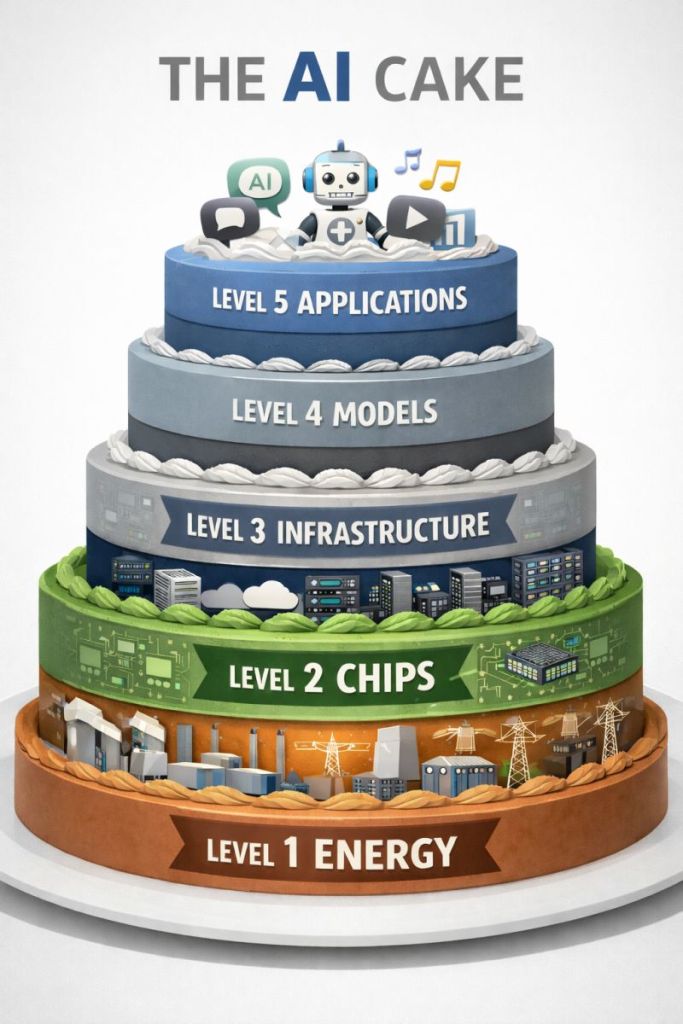
Why NVIDIA’s AI architecture story is strong on compute and infrastructure, and why the data boundary still needs separate architectural attention.
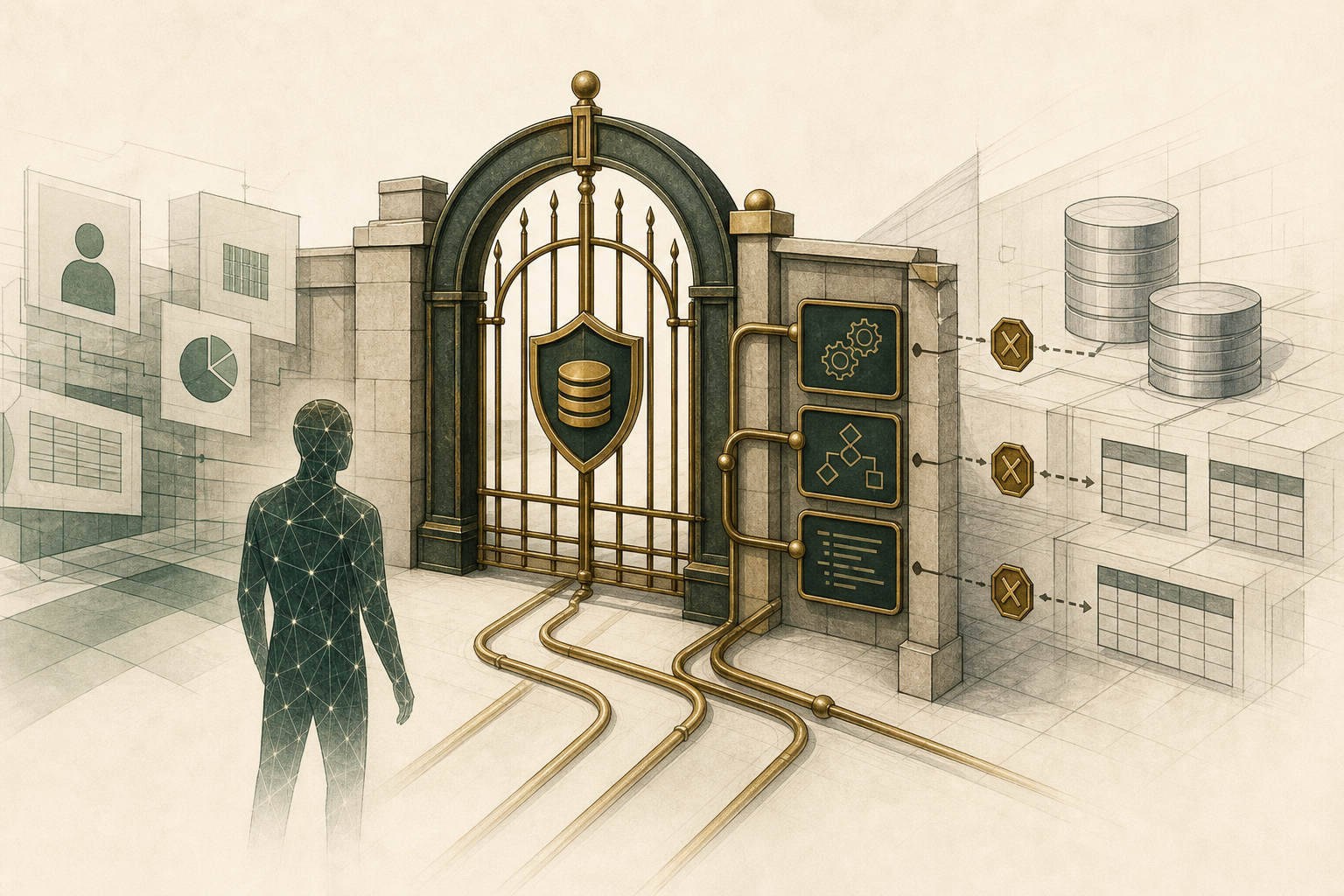
The application layer has long been the practical gatekeeper for enterprise data. Agents weaken that assumption and put pressure back on the database boundary.
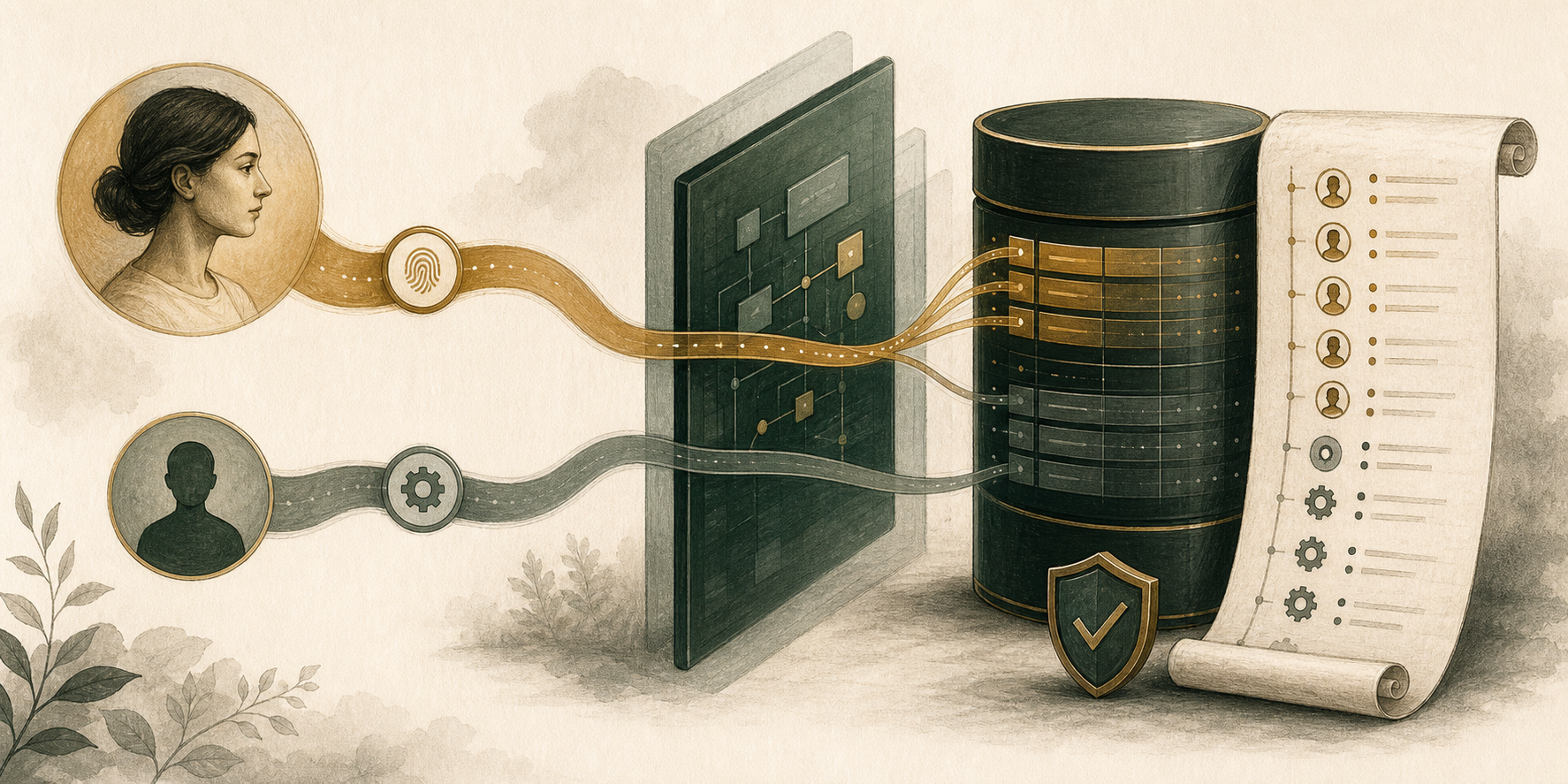
Agentic access breaks the link between end-user identity, query scope, authorisation and audit. The database needs to know more than a service account.
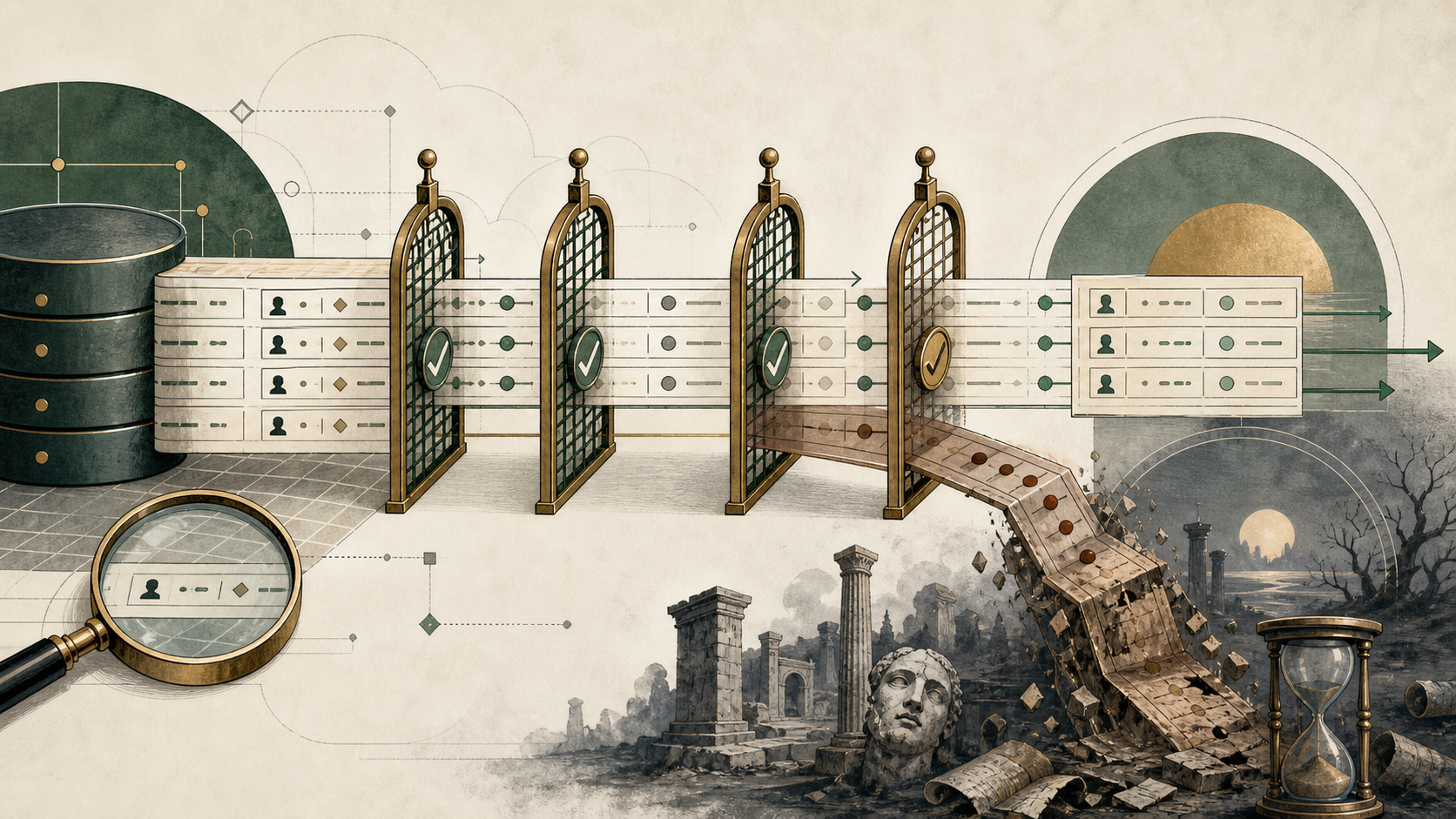
Agents can create plausible, structurally valid, semantically wrong data at scale. Integrity needs controlled write surfaces and database-enforced invariants.
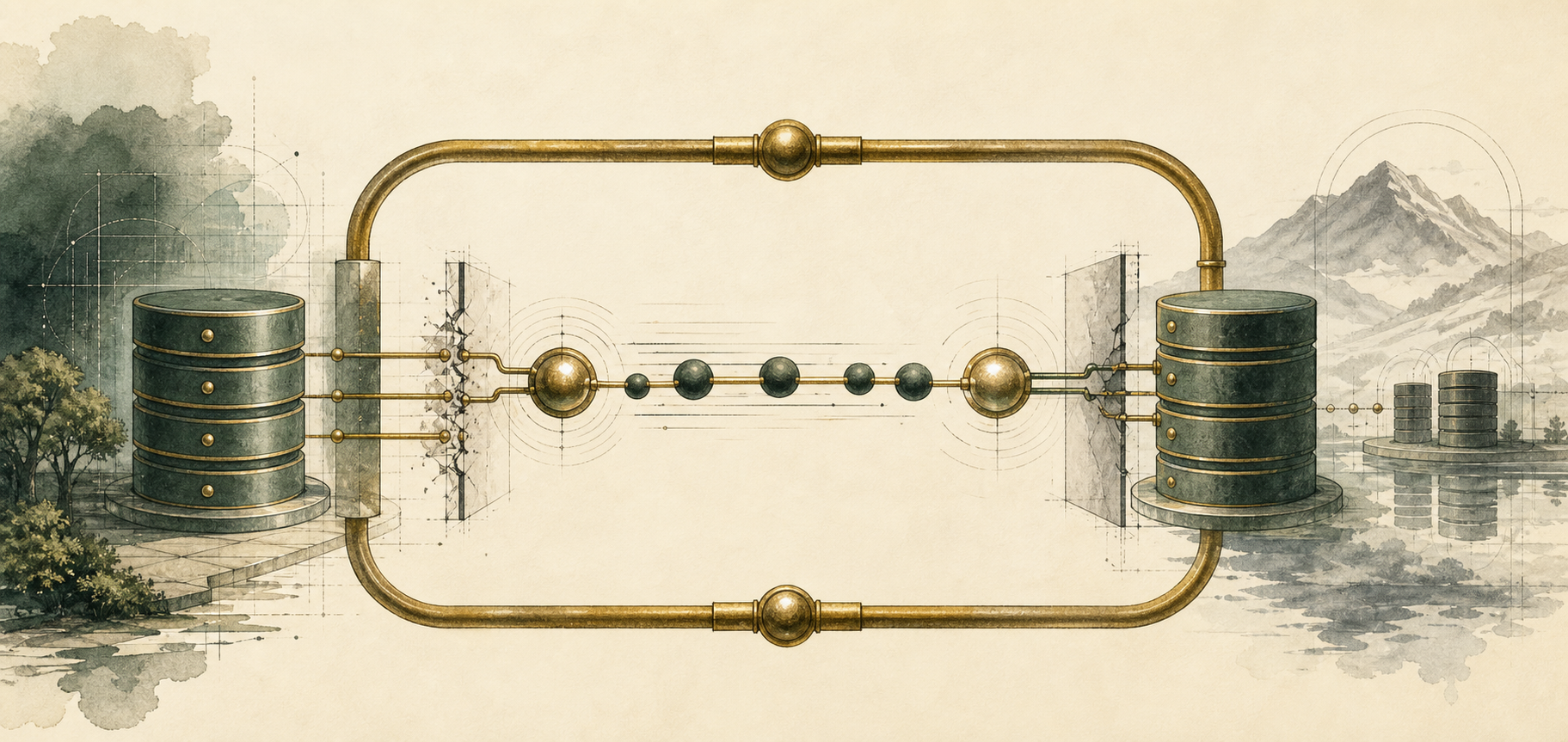
Sagas and eventual consistency were designed for bounded failure modes. Non-deterministic agents force us to re-examine transaction boundaries.

Object storage should not be the default for governed enterprise content. It creates separate security, recovery, audit and consistency boundaries.

Vector stores and agent memory inherit the governance problem of external storage. AI context should not become an ungoverned parallel truth.

Agents removed the assumption that the application would always be in the loop. What remains trustworthy when the caller is not?