Data Platform
Why treating data as an asset requires a managed platform, clear governance, and more than on-demand database provisioning.
Category
Data platforms, data warehouses, reporting, modelling, governance, and the long-running challenge of treating data as an asset.
Data architecture is about making data useful, trustworthy, and manageable across the life of an organisation.
These posts cover data platforms, warehouses, reporting, modelling, governance, and the recurring problem of treating data as an asset rather than a by-product of applications.
Why treating data as an asset requires a managed platform, clear governance, and more than on-demand database provisioning.

Why becoming data-driven is an organisational and architectural challenge, not simply a matter of adopting big data technology.

Practical guidance on making data lakes, warehouses, marts, and data science environments work together around business needs.
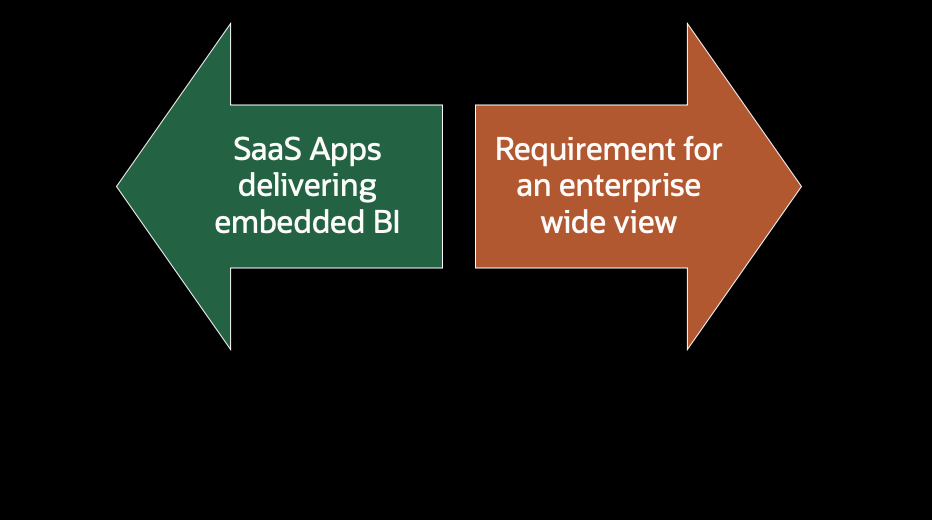
Why operational reporting and enterprise BI need different data patterns, freshness expectations, and architectural trade-offs.

A comparison of storage patterns for read-only big data systems, especially where current views and history both matter.
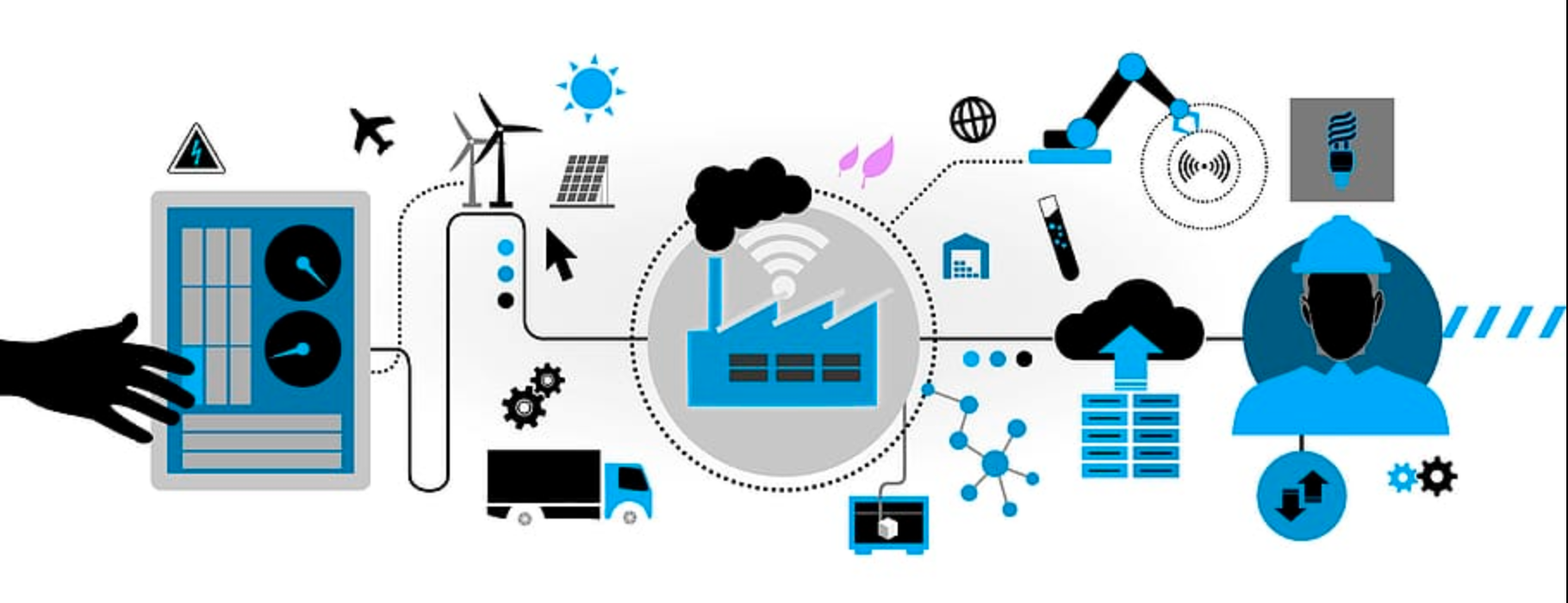
How to move useful discoveries from a data lab into a mission-critical data warehouse without losing the agility that created them.

Why developers, DBAs, and analytics teams need different views of the same data, and why the tension is structural rather than personal.

How APIs, microservices, and multi-model data platforms can reduce the old tension between object and relational views of data.
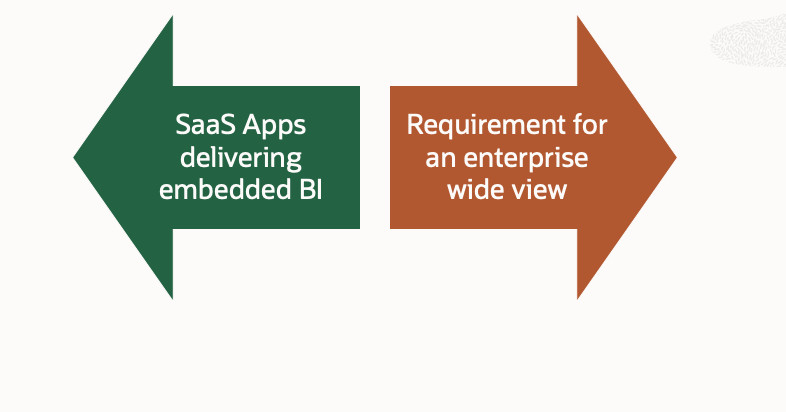
How data lakes, operational reporting, and enterprise BI can coexist when each layer is clear about freshness, modelling, and audience.